TL;DR: The question of how long a music production mentorship should last is really a question about outcomes. A 12-week 1-on-1 program works because it’s long enough to finish a real track and cover the fundamentals, and short enough to keep the urgency that actually gets it done. That urgency is what separates a program with a result from one with only knowledge.
You’ve been making music for a year. Maybe two. You know how to start a track. You’ve got sounds you like, a DAW you know well enough, and ideas that sound promising in the first eight bars. You just can’t seem to finish them. You’ve watched tutorials. You’ve started over. You’ve wondered whether working with someone one-on-one would actually change anything – and if so, how long it takes to learn music production properly when someone is guiding you.
That’s the right question. But before I answer it: the length of a mentorship matters less than what you’re designed to walk out with. Here’s what I found after testing shorter programs first, and why 12 weeks is the number I landed on.
Why ‘How Long Does It Take to Learn Music Production?’ Is the Wrong Question
The instinct to measure a program by weeks is understandable. It’s how school worked. It’s how most courses are sold. But a mentorship isn’t a course, and the number of weeks on the calendar is not the metric that determines whether it worked.
I’ve worked with producers who covered more ground in 12 weeks than others cover in two years of self-directed learning. And I’ve worked with producers who spent 12 weeks in a program and still didn’t have a finished track because they treated the sessions like lectures instead of work sessions. The container doesn’t do the work. The structure inside it does.
Here’s the question worth asking before anything else: at the end of this, will I have a finished track I’m proud of? If a program can’t answer yes to that clearly, the length of it doesn’t really matter.
What a music production mentor actually does isn’t just teach concepts – it’s guide you through applying them to your specific project until there’s a real result at the end. That’s the difference between a course and a mentorship.
You can spend 12 weeks and have nothing to show for it
Here’s the uncomfortable version of this: a 12-week program doesn’t automatically produce a 12-week result. The length is a container. What you put in determines what comes out.
Producers who coast through the first few weeks, skip work between sessions, or show up without doing anything since the last call often reach week ten with an unfinished project and no realistic way to close it. The time doesn’t do the producing. The accountability mechanism does – which is why that matters more than the week count.
I Tried Shorter Programs First
Before landing on 12 weeks, I ran shorter programs. The problem was consistent: there wasn’t enough runway to cover the fundamentals of music production and finish a real track in the same container.
A shorter program could teach concepts. It left students without enough time to put those concepts to work on an actual project from start to finish. They’d leave with more knowledge and no proof they could use it.
That gap matters. Knowing how compression works and being able to hear what’s wrong with your mix are two different skills. One comes from watching. The other comes from doing it wrong in front of someone who can tell you why – and then doing it again. You need enough weeks for that cycle to happen more than once.
What happens after 12 weeks
The flip side is just as real. When programs ran longer than 12 weeks, I noticed something consistent: students became less engaged. The urgency that drives real work – the kind that actually finishes tracks – started to fade around the halfway mark of a longer program.
There’s a productive pressure that comes from a defined endpoint. It forces decisions. It makes students prioritize finishing over perfecting, which is the single most important habit shift in the whole program. Finding the right coach matters here too, because the pace needs to be calibrated to where you actually are, not where a one-size-fits-all curriculum assumes you are.
What 12 Weeks of 1-on-1 Music Production Coaching Actually Covers
My program isn’t a course with scheduled check-ins. It’s a co-production. I’m in the DAW with you, every week, on a 1-on-1 basis – working on your actual track, not a practice exercise. That’s a different experience from watching someone demonstrate a technique and then trying to figure it out alone.
The 12-week structure isn’t arbitrary. It’s long enough to finish a real track and short enough to maintain the accountability that makes it happen. Open-ended “learn at your own pace” programs are where creative projects go to die. The deadline is what makes the track real.
What you actually cover in 12 weeks
Inside the program, we cover composition fundamentals, arrangement decisions, sound design, mixing, and a working understanding of mastering – not as isolated topics, but applied to one real project. The goal isn’t a checklist of techniques. It’s a finished track and the ability to repeat that process on your own.
Students who come in at week one rarely sound like students by week twelve. The gap isn’t just technical. It’s in how they hear their work, how quickly they make decisions, and their tolerance for calling something done. That shift takes time to build. Twelve weeks is what it takes.
Why YouTube Tutorials Keep You Stuck in a Loop
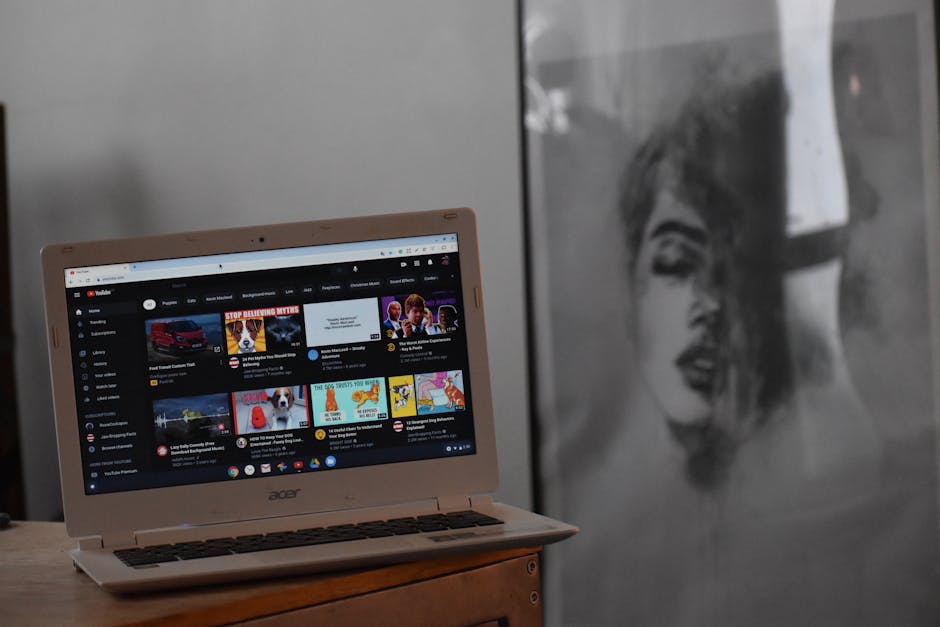
Most producers spend years trying to figure out how to get better at music production before finding structured help. YouTube is the obvious first stop. Free, searchable, extensive content on literally every technique.
Here’s the honest truth: YouTube tutorials make you worse before they make you better if you’re not careful. The feedback loop is broken. You watch a video on compression. You feel informed. You apply it without context, don’t get the expected result, and reach for another video. Knowledge accumulates. Tracks don’t.
I did this myself for years before IO Music Academy changed it. The tutorials weren’t the problem – the missing piece was someone watching my sessions and pointing out what I was actually doing wrong. That feedback is what changed things.
The accountability gap
There’s a second problem underneath the tutorials one: accountability. When you’re working alone, there’s no cost to not finishing. The session ends, the project saves, and tomorrow it will still be there. Nothing has moved.
When you’re paying for a program and showing up weekly to a session with someone invested in your result, the dynamic changes. You do the work – not because you’re more motivated, but because the structure makes it costly not to. That’s not a motivational claim. It’s an observation from watching it happen repeatedly.
Rachel came into the 12-week program after months in the tutorial loop. She’d spend an hour watching videos, try to apply the techniques, and end up feeling like she’d wasted her time with nothing to show for it. She’d been fighting her kick and bass for months and assumed mixing was the problem.
It wasn’t. The real issue was sound selection – specifically the kick and bass frequency relationship she’d chosen. That’s invisible when you’re working alone and obvious when someone who knows what to listen for is looking at your specific track. The reason skilled producers still get stuck after years of self-directed learning is almost never knowledge. It’s the feedback gap.
By week 12, Rachel had finished her best-ever track. “My kick and bass had a rivalry – now they’re getting along.”
How Long Does It Take to Learn Music Production Without Structured Help?

The honest answer is: a long time. Self-directed learners typically take four to six years to reach a professional production standard – not because the material is complex, but because unstructured learning is inefficient by design. Without someone telling you what to focus on and what to ignore, you spend years solving the wrong problems.
A structured 1-on-1 mentorship compresses that timeline significantly. A producer with personalized feedback on their actual sessions can reach the same standard in one to two years. That’s years of your creative life back.
The difference is feedback on your work
There’s a version of learning music production that takes years and produces a lot of knowledge and very few finished tracks. And there’s a version that takes 12 weeks and produces a finished, released track and the confidence to make another one.
The difference isn’t intelligence or talent. It’s whether someone is watching your sessions and pointing out what you’re actually doing wrong – not what the tutorial-appropriate version of your problem looks like, but your specific mix, your specific decisions, your specific habits.
Matthew came into the program wanting to improve his mixing. By the end, he’d released his first track on Spotify and hit 10,000 streams. “I got everything I wanted from this course and then some.”
How Do You Know When You’re Ready to Go Independent?
There’s No Finish Line, But There Is a Milestone
Learning music production doesn’t have a finish line. The tools change. New techniques emerge. Taste develops. I’m still learning, and I’ve been producing for over a decade. Any mentor who tells you that you’ll graduate knowing everything is selling you something that doesn’t exist.
But there is a meaningful milestone: the moment you can produce a track from start to finish without needing someone to unblock you at every stage. Not perfectly. Not without questions. Independently, with confidence in the process.
That’s what 12 weeks is designed to produce. Not a complete producer in the absolute sense, but a producer who has finished something real and knows they can do it again.
The Real Signal That You’re Ready
When I’m confident a student can work independently, it’s usually because of two things: they’ve built a reliable workflow and they’ve finished at least one track they’re proud of. Sometimes that’s a track we co-produced together. Sometimes it’s a solo project they brought across the finish line with guidance.
Finishing tracks consistently is the habit that separates producers who keep growing from producers who plateau.
If You’re Already Releasing Consistently
Not gonna lie: if you’re regularly finishing and releasing music, this post probably isn’t for you.
You likely have a different problem – targeted mix feedback, specific arrangement decisions, sound selection for a particular genre, something more defined. A few focused feedback sessions or a resource built for your specific bottleneck would serve you better than a 12-week program built around getting to a first finished track.
The coaching program at cylusmusic.com is for producers who aren’t finishing – who have unfinished projects piling up, haven’t released yet, or release inconsistently because tracks never quite make it across the finish line. If you’re already shipping music regularly and just want to refine the craft, that’s a different problem and probably a different tool.
Frequently asked

How long does it take to learn music production? Without structured help, typically four to six years to reach a professional standard. With 1-on-1 mentorship, most producers reach proficiency significantly faster – the difference is personalized feedback on your actual work, not general concepts.
Is 12 weeks long enough to finish a track? Yes, if you show up and do the work. The program is structured so you have a complete arrangement by midpoint and a release-ready track by week twelve. Whether you get there depends on the effort between sessions.
What’s the difference between a mentorship and an online course? A course teaches concepts. A mentorship applies them to your specific project. The feedback is on your track, your decisions, your weak points – not a hypothetical example that may or may not map to what you’re doing.
Do I need to know Ableton to join the program? You need a DAW and basic familiarity with it. The program isn’t a beginner tutorial – it assumes you’ve made music before and are stuck, not that you’re starting from zero. If you’ve never opened a DAW, a beginner course would serve you better first.
What if I don’t finish in 12 weeks? The program continues until you’re satisfied with the track at no extra charge. The timeline is 12 weeks because that’s what most producers need – but the goal is the result, not the calendar.
Is music production mentorship worth the cost? Depends on what you’re comparing it to. If you’ve been in the YouTube tutorial loop for a year and still haven’t released, the cost of not having structured help is already real. If you’re making steady progress on your own, a mentor just accelerates an already-working process. Be honest about which situation you’re actually in.
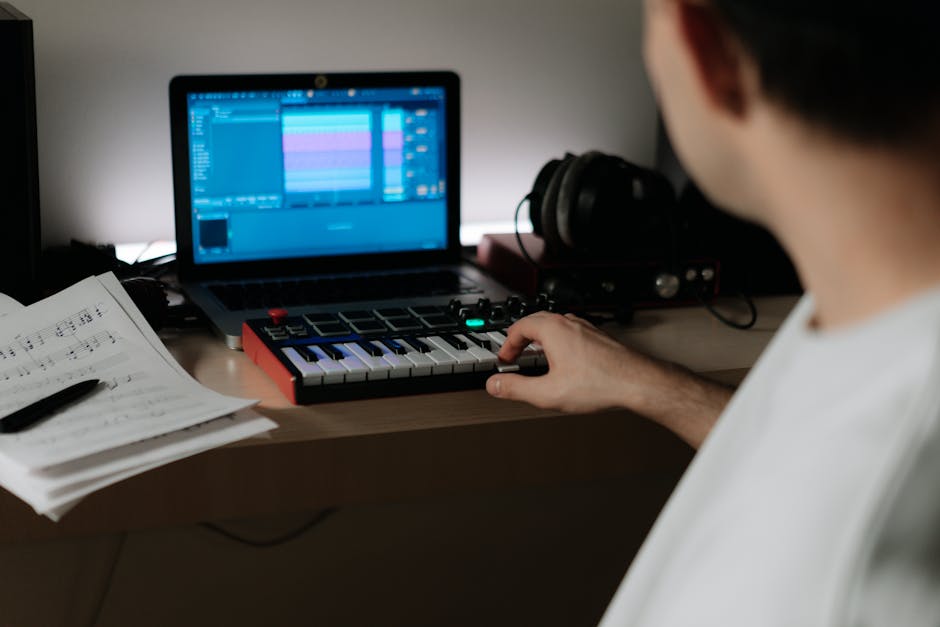
What happens on the weekly calls? We’re in the DAW together. I look at your session, we identify what’s not working and why, and we work through it. Some sessions are technical – fixing a mix problem, building an arrangement. Some are about decisions – figuring out what the track actually needs, and calling it done when it’s ready.
Can I do the program without music theory knowledge? Yes. The program is built around finishing one track, not covering music theory comprehensively. Theory comes up where it’s useful for your project, not as a prerequisite.
Ready to go further?
If you’ve been in the loop for months and this post describes where you are, book a free strategy call at calendly.com/cylus_music. Describe what you’re working on and where things keep stalling. I’ll tell you honestly whether the program is a good fit or whether something else would serve you better.
Frequently asked questions
- How long does it take to learn music production?
- Without structured help, typically four to six years to reach a professional standard. With 1-on-1 mentorship and personalized feedback on your actual sessions, most producers reach proficiency significantly faster – the difference is someone pointing out what you’re doing wrong, not just teaching general concepts.
- Is 12 weeks long enough to finish a music production track?
- Yes, if you show up and do the work. The 12-week program is structured so you have a complete arrangement by midpoint and a release-ready track by week twelve. The program also continues at no extra charge until you’re satisfied with the track.
- What’s the difference between a music production mentorship and an online course?
- A course teaches concepts. A mentorship applies them to your specific project. The feedback is on your track, your mix decisions, your weak points – not a hypothetical example that may or may not map to what you’re doing. That specificity is what makes it faster.
- How long should a music production mentorship program last?
- Most producers need 12 weeks to finish a real track and cover the fundamentals. Shorter programs don’t give enough runway to apply what you’ve learned. Longer programs see engagement drop around the halfway mark – the urgency that finishes tracks fades when there’s no defined endpoint.
- Why do YouTube tutorials not work for music production?
- The feedback loop is broken. Tutorials teach concepts in isolation – they can’t see your specific session, your mix decisions, or why the thing you just tried didn’t work. Knowledge accumulates; tracks don’t. The missing piece is someone watching your sessions and telling you what you’re actually doing wrong.
- Is 1-on-1 music production coaching worth the cost?
- Depends on what you’re comparing it to. If you’ve been in the YouTube tutorial loop for a year and still haven’t released, the cost of not having structured help is already real. The honest question is whether you’re stuck because of a knowledge gap or an accountability and feedback gap. The coaching program addresses the second one.
- What does a music production mentor do in a session?
- In this program, we’re in the DAW together every week. I look at your session, identify what’s not working and why, and we work through it in real time. Some sessions are technical – fixing a mix problem, building an arrangement. Some are about decisions – figuring out what the track actually needs.
- How do I know if I need a music production mentor or just more practice?
- If you’ve been practicing for more than six months and still aren’t finishing tracks, more unstructured practice is unlikely to change that. The problem is almost never lack of reps – it’s lack of feedback on what those reps are teaching you. A mentor closes that gap.
Ready to go further?
Book a free strategy call at calendly.com/cylus_music. Describe what you’re working on and where you’re stuck.