You can build a track from start to finish. You know your DAW, you can get sounds to sit together, you’ve watched enough tutorials to talk about sidechain and saturation like you know what you’re doing. Then you drop your track next to a reference from an artist you respect, and the gap is right there. You can hear it. You just can’t name it. That’s the moment most producers start looking for a music production mentor, and it’s the right instinct, because naming that gap is a skill, and it’s the first one a good mentor develops in you.
Most articles answer “what skills will a music production mentor help you develop” with a tidy list: mixing, arrangement, sound design, maybe how to get signed. That list isn’t wrong, but it misses the point. The skills that actually matter aren’t a menu of techniques. They’re a way of hearing your own work, a way of finishing it, and a way of seeing yourself as the artist who made it. Here’s what a music production mentor really builds, technical and otherwise, and why it sticks when YouTube didn’t.
About the author: Cylus Young studied at IO Music Academy under working producers and DJs, spent two years as a worldwide eCommerce specialist at Apple / Beats by Dre, and has over 6,000 monthly listeners and hundreds of thousands of streams. He coaches electronic music producers through a 12-week program at cylusmusic.com.
What’s the Most Important Skill a Music Production Mentor Develops?

Finishing a Complete Track, and Trusting Your Own Ear to Do It
Ask my students what they actually walked away with and the answer is consistent: they can take a track from nothing to done. Composition, arrangement, sound design, mixing, mastering, the whole chain, start to finish, on their own. That’s the skill they came for. It’s not the one that changes them. The one that changes them is quieter. They learn to trust their own ear, and they stop seeing themselves as hobbyists who make beats. They start acting like artists who finish and release music. Every technical skill in this post exists to serve that shift.
The Meta-Skill Underneath It: Diagnosis
If I had to name the one skill that makes all of that possible, it’s diagnosis. The ability to listen to your own track and know what’s actually wrong, then know which lever fixes it. Not a guess. Not “add some high end and hope.” Most producers can’t do this yet, and it isn’t their fault. You can’t hear your own blind spots, which is exactly why a second set of trained ears matters so much.
The trap is that almost everyone misdiagnoses the same way. They decide the problem is the mix. The kick sounds thin, the low end’s cluttered, the top end is harsh, so they grind through mixing tutorials for months and nothing moves. But the real reason skilled producers stay stuck is almost never the mix. It’s a decision made earlier: the sounds you chose, the arrangement, the relationship between elements before a single plugin touched the session. Getting stuck in the mixing phase is one of the most common challenges producers face, and it’s usually because they’re trying to fix a foundation problem with an EQ.
A Real Example: Obsidian Leo Thought It Was the Mix
Obsidian Leo came to me convinced his tracks were falling short because of his mixing. He’d been chasing that for a while. When we actually sat down and went through his music, two things were true at once. His mixes did sound muddy, but not for the reason he assumed. He didn’t have a method for balancing frequencies, so his elements kept fighting each other for the same space. And the bigger issue was further upstream, in composition and arrangement. The mix was muddy partly because the arrangement was crowded and the sound choices overlapped.
The other problem was simpler and more common: he wasn’t finishing enough tracks. So part of the work was technical, and part of it was me acting as his coach, keeping him consistent and accountable until finishing a track stopped feeling like a special event and started being normal. Obsidian Leo is producing and releasing music consistently today. You can read more results from producers in the program here. The skill that changed everything for him wasn’t a plugin setting. It was learning to diagnose his own work accurately.
The Full Skill Map: What a 12-Week Music Production Mentorship Develops
Diagnosis is the meta-skill, but it sits on top of specific, teachable abilities. Here’s the actual map my 12-week music production mentorship program follows, roughly in order, because the order is the point. You don’t fix a mix you haven’t arranged, and you don’t arrange a part you can’t write. Building these in sequence is also what compresses the timeline, since reaching a professional level on your own typically takes three to five years.
Composition and Feel
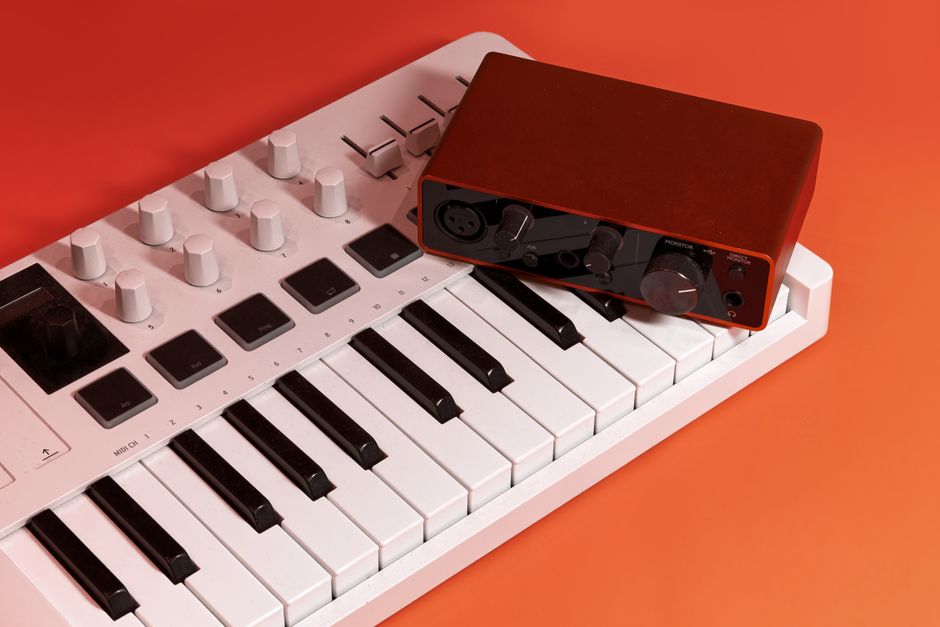
The first weeks are about the music itself, before anything technical. Scales and how they make a listener feel. The connection between what you hear in your head and what your hands actually do on a MIDI controller. Recreating melodies by ear, then arranging a full song and building grooves that move. This is the part most tutorial-trained producers skip, and it’s the real answer to how to get better at music production: your tracks feel flat not because the mix is wrong, but because the writing underneath it never got built.
Sound Design
Then sound design, across a couple of weeks, because it has real depth. Designing your own sounds instead of leaning on factory presets is what gives a track its identity. It’s also where a lot of muddiness is born. Presets stacked on presets tend to share the same frequency space and fight each other. Learning to build a sound for the exact role it plays in the arrangement is a skill that pays off in every track you make afterward.
Critical Listening
Next comes analysis, and this is where producers level up fastest. Deconstructing a song you admire to hear how it’s actually built. Using reference tracks to check your own work honestly. Understanding loudness so your track holds up next to commercial releases. This is ear training, and it solves a sneaky problem: after a few minutes your ear adapts and muddy starts to sound normal. A reference track resets your ears and shows you what you stopped hearing.
Mixing and Finishing
Only then does the mix come into focus, which surprises people who arrived thinking the mix was the whole game. Frequency balancing and side balancing so elements stop competing. Analyzing your mids and highs. Stereo imaging for width, and finishing touches in mastering. Why your mix doesn’t sound professional usually traces back to this stage being rushed, or attempted before the earlier ones were solid. Done in order, the mix actually gets easier, because most of the problems were already solved upstream.
The Skill You Don’t Expect: Seeing Yourself as an Artist

Here’s the separator, and it’s the part no competitor advertises. This isn’t a purely technical program. For a lot of producers, the most important shift isn’t a technique at all. It’s starting to see themselves as an artist. There’s a lot of The Artist’s Way in how I coach, because the thing blocking most producers isn’t knowledge. It’s that finishing a track means releasing it, and releasing it means being judged.
Trusting Your Own Ear
Most producers already know what they want. They can hear the finished track in their head. The skill they’re missing is translating what’s in their head into the real world, and trusting their own intuition about what sounds good instead of outsourcing that judgment to whatever the last tutorial told them. A mentor’s job here isn’t to hand you taste. It’s to help you trust the taste you already have, then give you the technical means to execute it.
Rachel is the clearest example I’ve got. She came to me deep in the YouTube tutorial loop, spending an hour on videos and ending up with nothing to show for it, second-guessing every move she made. Targeted feedback changed that fast. One of the first things I caught was that her kick was too quiet, and as she put it later, she’d never have known. That’s the whole case for a second set of ears. By the end of twelve weeks she’d finished what she called the best song she’d ever made, and she stopped waiting for permission to call her own work good. That’s the shift from hobbyist to artist, and it’s the skill she didn’t realize she was signing up for.
Why Releasing a Track Is a Skill
Finishing is a skill, and so is releasing. I make getting a track out into the world part of the program on purpose, because that’s the moment you start seeing yourself as someone who makes and ships music, not someone who’s always almost ready. That identity shift changes everything downstream. The producers who learn how to finish a track aren’t more talented than the ones who don’t. They’ve just built the skill of calling a track done and letting people hear it.
Why a Music Production Mentor Develops These Skills Faster Than YouTube
The Gear and Plugin Myth
A lot of producers spend years believing the right tools, the right plugins, or the right connections will make them better. They won’t. I’ve watched producers buy the exact setup of an artist they admire and make the same stuck tracks at higher fidelity. Skill doesn’t live in the gear. It’s also why piecing your education together from free videos leaves gaps. Learning from scattered tutorials leaves holes because you pick up bits and pieces with no structure and no direction.
Technical Depth Isn’t the Same as Better Music
Here’s a take I’ll stand behind. Most of the technical content out there is a distraction. There are endless tips and micro-techniques you don’t actually need, and the technical side alone is a bottomless pit. DC offset, phase cancellation, gain staging, dithering, true-peak limiting. You can spend a year down those rabbit holes and come out with a track that’s technically spotless and emotionally dead.
I’m not saying the technical stuff doesn’t matter. It does, in its place. But the point of producing music is emotion. It’s the story, the message, the feeling someone gets in the first eight bars. When a producer gets lost in the technical weeds, that feeling is the first thing to go. Part of my job is knowing when to go deep on a technique and when to pull someone back to the only question that actually matters: does this make you feel something?
Application Beats Consumption
The bigger trap is consumption. You watch a tutorial, feel like you learned something, and never apply it. Months go by. You’re informed and not improving. That’s why my program is built around modules you watch and then immediately act on, with real assignments attached. If you’re not applying what you learn, you’re not developing a skill, you’re collecting trivia. The point of working with a coach is guidance built around your specific goals and your actual work, not another playlist of videos to half-watch.
What I Couldn’t Learn Alone
I spent years spinning my wheels. My music was getting better, but I was stuck, and I couldn’t see why. My first real breakthrough came from a mentor who showed me frequency balancing. Suddenly my mixes had room to breathe. But that was only one corner of the picture. Chasing it taught me the mix was downstream of everything else: composition, arrangement, and sound design all fed into it, and the finer points of mixing and mastering were what finally made my tracks competitive with the pros. Sound Pro Academy is where I dialed in the mixing side. IO Music Academy taught me production technique and the business, and just as importantly, put me in a room with people actively trying to get better. That environment did what no tutorial could. It showed me my blind spots and gave me feedback in real time. That’s the part you can’t replicate alone, and it’s the reason I coach the way I do.
Then I learned the lesson nobody warns you about. Making music that’s genuinely competitive isn’t the finish line. Once my tracks were good, it hit me that a great track nobody hears is still a track nobody hears. Promotion and brand are a separate mission, and it’s the next thing I help producers face once the skills are in place. The skill of making the music and the skill of getting it heard are two different jobs, and the second one only starts once you can finally trust the first.
Frequently Asked Questions
What skills does a music production mentor teach?
A music production mentor develops composition, arrangement, sound design, critical listening, mixing, and finishing, usually in that order. Just as important are the harder-to-name skills: diagnosing what’s actually wrong in your own tracks and trusting your creative instincts. The technical skills matter, but the diagnostic and creative ones are what separate producers who keep improving from producers who plateau.
Can I develop these music production skills on my own?
Yes, many producers have. But self-directed learning typically takes three to five years to reach a professional level, because you’re learning without feedback and can’t see your own blind spots. A mentor compresses that timeline by catching what you can’t hear and keeping you accountable to actually finishing tracks.
How long before I see skill improvement with a music production mentor?
Most producers notice a real shift within the first few weeks. The early work is diagnostic, which changes how you hear your own tracks almost immediately. A full 12-week program is built to take you from stuck to one finished, released track.
Do I need music theory before working with a music production coach?
No. The program starts with scales, feel, and the connection between your ear and your instrument, so theory is built in from the first weeks. You don’t need to arrive knowing it. You need to be willing to apply it.
Is a music production mentor worth it if I just need help with my mixing?
Maybe not, and I’ll say that honestly. If you’re releasing consistently and only want to sharpen your mix, a one-off session or a mixing engineer may be enough. A full mentorship is most valuable when the mix problems are actually symptoms of something upstream in composition or arrangement, which in my experience they usually are.
If you take one thing from this, let it be that the most valuable skill a music production mentor develops isn’t a technique. It’s the ability to hear what’s wrong, fix it across the whole production chain, and finish the track anyway. The composition, sound design, and mixing skills are real and teachable. The diagnosis and the artist identity underneath them are what make the rest stick.
My 12-week music production coaching program is built to develop all of it, from your first melody to a finished, released track, the same path that took Obsidian Leo from stuck to releasing consistently. If you’ve hit the wall and you’re tired of guessing what’s wrong, book a free strategy call and we’ll figure out exactly which skill is the one holding you back. And if you’re still deciding whether coaching is the right move at all, start with whether a mentor is the right call for you.
Pingback: How to Get Attention as a Music Producer: The One Thing the Pros Have That You Don't
Pingback: What Are the Benefits of Having a Music Production Mentor?